
Best Iris 39 by Le Labo Alternatives & Similar Perfumes
Iris 39 by Le Labo is a chypre floral fragrance that centres on the powdery, earthy quality of orris root, enhanced by violet and ylang-ylang. Accents of civet and musk introduce an animalic depth, while ginger, lime, cardamom, and rose provide a fresh, spicy lift. The result is a complex, elegant scent balancing softness with a subtle beastly edge. Those drawn to Iris 39 should focus on the interplay between iris, violet, musk, and civet to find similar nuances.
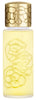
- Key notes:
- carnation
- orris (iris root)
- violet
- ylang-ylang
- Aromagroups:
- floral
- vintage/old school
In 1912, Houbigant's perfumer Robert Bienaimé picked up the ball from Paul Parquet (who earlier invented the whole fougere category while working for Houbigant at the end of the 18th century) and introduced Quelques Fleurs, one of Houbigant’s all-time great fragrances and the first multi-floral bouquet ever created.
The current owners of Houbigant take the heritage and history of the house very seriously and try to adapt the famous formulas from the 18th and 19th centuries to the 21st century's tastes and technologies while keeping the character and old-school flair as close as possible to the originals.
You might have read about Quelques Fleurs in books on perfume and the guides on the greatest perfumes of all time.
The current reincarnation is an adaptation of the original formula to modern times taste and it benefits from modern advances in perfume making.
Meet the 21st century Quelques Fleurs, a gorgeous romantic floral with a big history and an infinite number of floral facets.
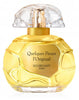
- Key notes:
- civet
- jasmine
- orange blossom
- orris (iris root)
- sandalwood
- tuberose
- ylang-ylang
- Aromagroups:
- floral
- vintage/old school
An iconic classic in its own rite, Quelques Fleurs is a true ingenious scent of its time. The French perfumer, Robert Bienaimé, unveiled Quelques Fleurs the first true multi-floral blend ever created, in 1912.
Since then, his perfectly-balanced, refined bouquet has become modern perfumery’s peerless criterion for pure, meticulously-crafted, multi-floral accords. Prior to his bold invention, floral fragrances had been mainly singular flowers, or florals combined with various nuances of herbs and spices. Bienaimé’s singular triumph is remarkable for its secret, mythical formula. Upwards of 15,000 exemplary flowers and 250 prestigious raw materials are diligently-curated in the creation of a single ounce of perfume.
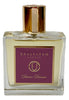
Divine Dancer by Exaltatum £108.33
- Key notes:
- champaca
- galbanum
- magnolia
- musk
- rose
- sandalwood
- violet
- violet leaf
- Aromagroups:
- floral
- vintage/old school
I was inspired while visiting Kew Gardens in London in May. Every May there are hundreds of blooming magnolia trees in different sorts, sizes, scents and colours. Usually it is a very rainy season and my inspiration was to create a scent of the water and rain on magnolia trees.
The symbol of this modern perfume is an American modern dance pioneer Ruth St. Denis. She is not only a very talented performer, but also very feminine.
Divine Dancer is an ethereal, watercoloured, light, fresh, feminine floral perfume. It is modern and vivacious fruity floral scent .
The Divine Dancer perfume is dedicated to one of the first American modern dance and ballet performers Ruth St. Denis.
Her vibrant and spirited art of dance, influenced by the East and South Asia, her divine body move and incredible costumes made Ruth St. Denis a worldwide well known star. Her body projects as Temple of femininity.
When the dancer emerged from the darkness of the stage, her presence was immediately captivating, the air suddenly fragrant with her appearance. Adorned in jewels from head to toe, radiant in a special gold sari, her hair crowned in jasmine, she is an embodiment of divine feminine, mirroring the images of goddesses of Lakshmi and Saraswati but with the talented Ruth St. Denis touch of modern dance and ballet movement.
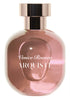
Venice Rococo by Arquiste £162.50
- Key notes:
- aldehydes
- jasmine
- orris (iris root)
- powdery notes
- rose
- violet
- Aromagroups:
- floral
- vintage/old school
- woody
September 1757, Casino Venier, Venice
A powdery floral fragrance based on authentic 18th century cosmetic formulas.
A coquettish floral capturing the decadence of 18th century Venice, its rococo interiors and clandestine affairs: a powdery blend of black violet, blush rose, and chamomile nestled on an impossibly soft base of dusty iris and subtle, animalic amber.
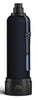
Cashmere Beige by MINT £141.67
- Key notes:
- mandarin
- musk
- petrichor
- tonka beans
- violet
- Aromagroups:
- floral
- transparent
- unconventional
Purple line
Perfumer: Karine Vinchon
A beautiful floral abstraction, sheer delight for the olfactive imagination: is it a lilac, or spicy carnation or all the aromas of many humble meadow flowers mixed in the spring rain?
The shady cool and crisp orris (made very dry with cedar and tonka) offers a floral riddle which every nose solves in his or her own way.
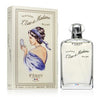
- Key notes:
- orris (iris root)
- sandalwood
- violet
- white musk
A sensual perfume with a powdery retro touch of orris and violets against the clean white musk background.
Eau de Madame got inspired by the fields filled with irises and violets around Maine Gailard, the little French city where Feret are based.
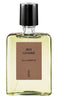
Iris Cendré by Naomi Goodsir £141.67
- Key notes:
- orris (iris root)
- tobacco
- violet
- Aromagroups:
- leather
- vintage/old school
- woody
Perfumer: Julien Rasquinet
Iris Cendre acts cold and green at the opening with the help of bergamot and frankincense, but as the perfume unfolds and smoke lifts, orris appears in its creamy gourmand seductiveness.
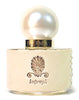
Ambrosia by Byermia £104.17
- Key notes:
- civet
- coconut
- guava
- heliotrope
- mango
- mimosa
- orris (iris root)
- peach
- plumeria
- sandalwood
- tuberose
- Aromagroups:
- floral
- fruity
- vintage/old school
Inspired by the mythical nectar of the gods, Ambrosia opens with the sweet, delicate notes of plumeria and mango, layered with the lush richness of peach, lychee, and coconut. The heart reveals the creamy depth of heliotrope, musk, and guava, while wafts of French orris, Mysore and Sri Lankan sandalwood, Indian tuberose and vintage Ethiopian civet evoke a divine atmosphere—capturing the essence of heavenly indulgence.
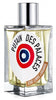
- Key notes:
- ginger
- leather
- rice powder
- rose
- violet
- Aromagroups:
- floral
- leather
In this fantasy of the boudoir, the powdered top note evokes the sophisticated woman who dresses for seduction, and undresses for profit. She is the temptress who awaits her prey in the hotel bar, and leads her lucky victim to unimaginable delights…
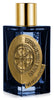
- Key notes:
- apple
- musk
- patchouli
- rose
- Aromagroups:
- aromatic
- floral
- woody
A rapturous rose, apple and patchouli perfume with a lick of honey. But the joyfully fresh effect of the composition is only part of the story. Experimentum Crucis has the most extraordinary projection and longevity, as well as a novel multidimensional architecture. As you wear it, scented castles of Experimentum Crucis form in the air, creating an invisible sanctuary for you and all who smell you.
About Iris 39 by Le Labo
- How does Iris 39 differ from other iris fragrances?
- Iris 39 uniquely blends orris root’s powderiness with animalic civet and a spicy citrus and floral accord, creating a complex chypre floral scent. Many iris fragrances focus on softness or powdery elegance alone, whereas Iris 39 balances powder, spice, and animalic depth.
- What notes should I look for if I want something like Iris 39?
- Focus on orris (iris root), violet, musk, and civet to capture Iris 39’s signature powdery, floral, and slightly animalic character. Additional notes like ylang-ylang, rose, and spices contribute to its complexity.
- Are these fragrances suitable for everyday wear like Iris 39?
- Many fragrances listed share Iris 39’s floral and powdery qualities but vary in intensity and animalic presence. Some, like Cashmere Beige or Quelques Fleurs L'Original, offer lighter options, while others such as Id or Iris Cendré are richer and more intense, suitable for different occasions or preferences.