Floral
Vintage/old school
Woody
Top Notesaldehydeschamomilehawthornroseturkish rose
Heartcuminorange blossompoudre à la marechalepowdery notesviolet
Base Notesanimalic notescivetjasmineorris (iris root)
Tags
#animalic
#beast
#powdery
Style
unisex
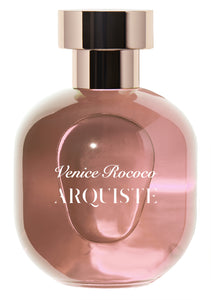
September 1757, Casino Venier, Venice
A powdery floral fragrance based on authentic 18th century cosmetic formulas.
A coquettish floral capturing the decadence of 18th century Venice, its rococo interiors and clandestine affairs: a powdery blend of black violet, blush rose, and chamomile nestled on an impossibly soft base of dusty iris and subtle, animalic amber.
All about this fragrance
Vibe check
Conversation has lowered to a murmur, and the distance between two people is narrowing. Violet and rose suggest carefully applied face powder, while the animalic amber gives that composed surface a more intimate edge. The mood is flirtatious, deliberate and slightly theatrical.
How to wear
Start with one or two sprays on skin, allowing the powdery florals and animalic amber to settle before adding more. Mild to cool weather is a natural fit for this soft, layered character; in warm rooms, a lighter application keeps the cosmetic powder from feeling too enveloping.
Who it’s for
For those drawn to vintage cosmetic accords, violet and iris, and florals with an animalic undertone. It suits a taste for ornate textures and composed, powdery beauty with a less decorous edge beneath it.
Release year
2024
The nose
Rodrigo Flores-Roux is known for richly textured florals, vivid citrus compositions and an expansive knowledge of perfume history. His work includes Tom Ford Neroli Portofino and numerous fragrances for John Varvatos. For Venice Rococo, he brings that historical fluency to a cosmetic floral composition, balancing soft powder with animalic warmth.
Collaborators
Carlos Huber, Arquiste’s founder and creative director, developed the concept with Rodrigo Flores-Roux. His interest in powdery fragrances and eighteenth-century Venetian private retreats shaped the historical setting and the interplay of cosmetic powder, amber and animalic sensuality.
Arquiste’s story
Arquiste translates particular moments and places into contemporary fragrance through historical research. Founder Carlos Huber’s background in architecture and historic preservation informs an approach attentive to interiors, materials and the sensory traces of human life.
Venice Rococo’s concept
The imagined setting is September 1757 at Casino Venier in Venice: a clandestine encounter within a pastel-colored private retreat. Drawing inspiration from eighteenth-century cosmetic formulas, the composition evokes powdered faces, perfumed interiors and the contrast between polished appearances and private desire.
Extra info
The heart includes Poudre à la Maréchale, a named cosmetic powder accord, and the composition features upcycled Turkish rose water. Its animalic note is listed as a civet accord, which does not establish the use of animal-derived civet. The September 1757 date belongs to its imagined setting, not its launch.
Featured in edits and sample packs
Violets in PerfumeryWear-To-Scare
Top Notesaldehydeschamomilehawthornroseturkish rose
Heartcuminorange blossompoudre à la marechalepowdery notesviolet
Base Notesanimalic notescivetjasmineorris (iris root)
Tags
#animalic
#beast
#powdery
Style
unisex
September 1757, Casino Venier, Venice
A powdery floral fragrance based on authentic 18th century cosmetic formulas.
A coquettish floral capturing the decadence of 18th century Venice, its rococo interiors and clandestine affairs: a powdery blend of black violet, blush rose, and chamomile nestled on an impossibly soft base of dusty iris and subtle, animalic amber.
All about this fragrance
Vibe check
Conversation has lowered to a murmur, and the distance between two people is narrowing. Violet and rose suggest carefully applied face powder, while the animalic amber gives that composed surface a more intimate edge. The mood is flirtatious, deliberate and slightly theatrical.
How to wear
Start with one or two sprays on skin, allowing the powdery florals and animalic amber to settle before adding more. Mild to cool weather is a natural fit for this soft, layered character; in warm rooms, a lighter application keeps the cosmetic powder from feeling too enveloping.
Who it’s for
For those drawn to vintage cosmetic accords, violet and iris, and florals with an animalic undertone. It suits a taste for ornate textures and composed, powdery beauty with a less decorous edge beneath it.
Release year
2024
The nose
Rodrigo Flores-Roux is known for richly textured florals, vivid citrus compositions and an expansive knowledge of perfume history. His work includes Tom Ford Neroli Portofino and numerous fragrances for John Varvatos. For Venice Rococo, he brings that historical fluency to a cosmetic floral composition, balancing soft powder with animalic warmth.
Collaborators
Carlos Huber, Arquiste’s founder and creative director, developed the concept with Rodrigo Flores-Roux. His interest in powdery fragrances and eighteenth-century Venetian private retreats shaped the historical setting and the interplay of cosmetic powder, amber and animalic sensuality.
Arquiste’s story
Arquiste translates particular moments and places into contemporary fragrance through historical research. Founder Carlos Huber’s background in architecture and historic preservation informs an approach attentive to interiors, materials and the sensory traces of human life.
Venice Rococo’s concept
The imagined setting is September 1757 at Casino Venier in Venice: a clandestine encounter within a pastel-colored private retreat. Drawing inspiration from eighteenth-century cosmetic formulas, the composition evokes powdered faces, perfumed interiors and the contrast between polished appearances and private desire.
Extra info
The heart includes Poudre à la Maréchale, a named cosmetic powder accord, and the composition features upcycled Turkish rose water. Its animalic note is listed as a civet accord, which does not establish the use of animal-derived civet. The September 1757 date belongs to its imagined setting, not its launch.
Featured in edits and sample packs
Violets in PerfumeryWear-To-Scare