Woody
Top Notesfig tree leavesrain dropsraspberry
Heartakigalawoodcedarwoodlily-of-the-valleypetrichor
Base Notesambroxanoakmosssandalwood
Tags
#fresh
Style
unisex
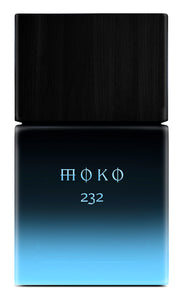
The scent of damp earth after a spring rain — heavy, alive, pulsating with the power of rebirth. This is a different kind of aquatic fragrance, one that plants you deep in the roots of a fertile forest. Akigalawood, with its peppery-oudy profile derived from patchouli, joins forces with juicy raspberry and fig leaves to create an abundant, life-affirming scent.
All about this fragrance
Vibe check
Think of returning indoors after walking through rain-soaked woodland, with damp leaves still clinging to your boots. Moko carries that earthy freshness into close conversation: raspberry brings a little brightness, while moss and peppery woods keep the mood grounded rather than sparkling.
How to wear
Try it first in mild spring weather, where the watery-green opening and earthy woods suit the temperature. Start with one or two sprays on skin; the stated 25% concentration makes a restrained first application sensible. In warmer conditions, keep the dose light so the fruit and woods do not crowd the freshness.
Who it’s for
For those who prefer their aquatic fragrances rooted in soil and foliage rather than salt air. Moko suits a taste for mossy woods, fig-leaf greenness and rain-like freshness, with raspberry adding a fruity contrast to its earthy character.
Release year
2025
Wolf Brothers’s story
Wolf Brothers builds fragrances around characters and emotions rather than treating them as lists of ingredients. Its identity draws on animal instinct, Polish roots and Slavic storytelling, moving between the wildness of the forest and the symbolic world of myth.
Moko’s concept
Part of the Slavic Myths — Gods collection, Moko draws on Mokosh and the image of a protective, maternal earth-and-water figure. Its creative narrative centres on fertile ground awakening after spring rain, translating cycles of death and renewal into watery freshness, green leaves and mossy woods.
Extra info
Although labelled eau de parfum, Moko has a brand-stated concentration of 25%. Its woody opening includes Akigalawood, a patchouli-derived material with a peppery, oud-like character.
Top Notesfig tree leavesrain dropsraspberry
Heartakigalawoodcedarwoodlily-of-the-valleypetrichor
Base Notesambroxanoakmosssandalwood
Tags
#fresh
Style
unisex
The scent of damp earth after a spring rain — heavy, alive, pulsating with the power of rebirth. This is a different kind of aquatic fragrance, one that plants you deep in the roots of a fertile forest. Akigalawood, with its peppery-oudy profile derived from patchouli, joins forces with juicy raspberry and fig leaves to create an abundant, life-affirming scent.
All about this fragrance
Vibe check
Think of returning indoors after walking through rain-soaked woodland, with damp leaves still clinging to your boots. Moko carries that earthy freshness into close conversation: raspberry brings a little brightness, while moss and peppery woods keep the mood grounded rather than sparkling.
How to wear
Try it first in mild spring weather, where the watery-green opening and earthy woods suit the temperature. Start with one or two sprays on skin; the stated 25% concentration makes a restrained first application sensible. In warmer conditions, keep the dose light so the fruit and woods do not crowd the freshness.
Who it’s for
For those who prefer their aquatic fragrances rooted in soil and foliage rather than salt air. Moko suits a taste for mossy woods, fig-leaf greenness and rain-like freshness, with raspberry adding a fruity contrast to its earthy character.
Release year
2025
Wolf Brothers’s story
Wolf Brothers builds fragrances around characters and emotions rather than treating them as lists of ingredients. Its identity draws on animal instinct, Polish roots and Slavic storytelling, moving between the wildness of the forest and the symbolic world of myth.
Moko’s concept
Part of the Slavic Myths — Gods collection, Moko draws on Mokosh and the image of a protective, maternal earth-and-water figure. Its creative narrative centres on fertile ground awakening after spring rain, translating cycles of death and renewal into watery freshness, green leaves and mossy woods.
Extra info
Although labelled eau de parfum, Moko has a brand-stated concentration of 25%. Its woody opening includes Akigalawood, a patchouli-derived material with a peppery, oud-like character.