Green
Woody
Notesgreen leavestuberosevetiverylang-ylang
Tags
#smoky
Style
unisex
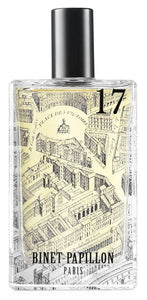
An unusual tuberose that highlights the cold green aspect of this tropical bloom. A green leaves accord lends a grassy aspect, while vetiver deeps the metallic earthiness. Ylang-ylang twins with tuberose’s voluptuous ripeness.
All about this fragrance
Vibe check
For an evening spent in close conversation, with a presence that feels sensual but unsweetened. The tuberose supplies floral fullness, while grassy leaves and metallic earthiness give it a sharper edge—more cut stems than a plush bouquet.
How to wear
Try it in mild spring weather or cooler early autumn, when the contrast between green leaves and ripe white flowers can feel especially clear. Begin with one or two sprays on skin; a restrained application keeps the floral richness close, while warmth may bring its voluptuous side forward.
Who it’s for
For those drawn to white florals but wary of sugary softness. Its grassy, woody and subtly smoky facets suit a taste for earthy florals, vetiver and compositions that balance sensual texture with a cool, angular edge.
Release year
2020
The nose
Jean Sauvage is Binet-Papillon’s in-house perfumer, described by the house as a “perfumer-architect.” His work explores unconventional combinations of traditional French perfumery materials. In No. 17, tuberose’s voluptuous floral character meets green leaves and earthy vetiver, creating tension between lushness and restraint.
Collaborators
Virginie Choné, the house’s founder, shares creative credit with Jean Sauvage for No. 17. Their collaboration brings her artistic direction together with his work on the composition.
Binet-Papillon’s story
Binet-Papillon values creative independence over consensus-driven perfumery, using unexpected combinations to reveal familiar materials in a different light. The house approaches scent as an intimate expression of character, with compositions developed and assembled in Grasse and an emphasis on nature-conscious French production.
No. 17 – Tubereuse Mandragore’s concept
No. 17 explores the contrast between sensual tuberose and the root-like earthiness of vetiver. Green leaves sharpen the flower’s cooler facets, while ylang-ylang reinforces its ripe, voluptuous texture. Originally named Tubéreuse Mandragore, it now appears in the house’s Archives Collection as Tubéreuse Miroir.
Extra info
Despite its original name, mandrake is not listed among the fragrance’s notes. No. 17 is now called Tubéreuse Miroir, and its Archives Collection status does not mean it is discontinued: the house continues to offer it in 100 ml.
PRE-ORDER
£215.00, 100 ml EdP
£179.17 your price
Notesgreen leavestuberosevetiverylang-ylang
Tags
#smoky
Style
unisex
An unusual tuberose that highlights the cold green aspect of this tropical bloom. A green leaves accord lends a grassy aspect, while vetiver deeps the metallic earthiness. Ylang-ylang twins with tuberose’s voluptuous ripeness.
All about this fragrance
Vibe check
For an evening spent in close conversation, with a presence that feels sensual but unsweetened. The tuberose supplies floral fullness, while grassy leaves and metallic earthiness give it a sharper edge—more cut stems than a plush bouquet.
How to wear
Try it in mild spring weather or cooler early autumn, when the contrast between green leaves and ripe white flowers can feel especially clear. Begin with one or two sprays on skin; a restrained application keeps the floral richness close, while warmth may bring its voluptuous side forward.
Who it’s for
For those drawn to white florals but wary of sugary softness. Its grassy, woody and subtly smoky facets suit a taste for earthy florals, vetiver and compositions that balance sensual texture with a cool, angular edge.
Release year
2020
The nose
Jean Sauvage is Binet-Papillon’s in-house perfumer, described by the house as a “perfumer-architect.” His work explores unconventional combinations of traditional French perfumery materials. In No. 17, tuberose’s voluptuous floral character meets green leaves and earthy vetiver, creating tension between lushness and restraint.
Collaborators
Virginie Choné, the house’s founder, shares creative credit with Jean Sauvage for No. 17. Their collaboration brings her artistic direction together with his work on the composition.
Binet-Papillon’s story
Binet-Papillon values creative independence over consensus-driven perfumery, using unexpected combinations to reveal familiar materials in a different light. The house approaches scent as an intimate expression of character, with compositions developed and assembled in Grasse and an emphasis on nature-conscious French production.
No. 17 – Tubereuse Mandragore’s concept
No. 17 explores the contrast between sensual tuberose and the root-like earthiness of vetiver. Green leaves sharpen the flower’s cooler facets, while ylang-ylang reinforces its ripe, voluptuous texture. Originally named Tubéreuse Mandragore, it now appears in the house’s Archives Collection as Tubéreuse Miroir.
Extra info
Despite its original name, mandrake is not listed among the fragrance’s notes. No. 17 is now called Tubéreuse Miroir, and its Archives Collection status does not mean it is discontinued: the house continues to offer it in 100 ml.