Aromatic
Spicy
Woody
Top Notescardamomdavanapink pepperplum
Heartcedarwoodclary sagefir balsamfrankincenseincensemyrrhpinevetiver
Base Notesamberleatheroakmosstonka beans
Tags
#fresh
Style
unisex
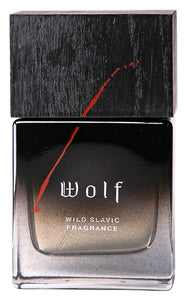

The lone wolf roams the forest at twilight. Strong and resilient in the face of cold, crisp and hostile woods. Vetiver and pine evoke the dark green atmosphere, whilst plums and davana allude to the spicy energetic power of the wolf. Cedarwood and pepper are beautifully balanced with leather, with tonka beans adding a herbaceous bitter richness to the fragrance. This original EdP version offers a leaner, more frankincense-forward iteration to the bass-heavy extrait treatment.
All about this fragrance
Vibe check
Coming indoors after a twilight walk, with the cold still caught in your coat: Wolf carries that forest tension into close conversation. Pine and aromatic spice keep the mood alert, while leather and incense lend a restrained darkness rather than plush warmth.
How to wear
Start with one or two sprays on skin in cool weather, leaving space for the pine, herbs and frankincense to register against the darker leather and woods. Autumn and winter suit its forest character; in warmer conditions, use a lighter application so the spicy, resinous facets do not crowd.
Who it’s for
For those drawn to coniferous woods, aromatic herbs and dry incense, with leather adding depth rather than dominating. It suits a taste for forest fragrances with a spicy, subtly fruity edge, especially when a leaner texture is preferred to dense sweetness.
Release year
2020 (or 2021)
The nose
Jennifer Jambon created Wolf Eau de Parfum. Her interpretation of the brief evokes a cold forest beneath a full moon, using spicy woods, vetiver, pepper and leather to suggest a wolf moving through the wilderness after dark.
Collaborators
Co-founder Wiktor Wilk developed the brand’s animal-based fragrance concepts and worked with its French perfumery partners on creative direction. For Wolf, that vision centers on night, fear and wilderness, providing the conceptual framework for Jennifer Jambon’s composition.
Wolf Brothers’s story
Wolf Brothers translates Polish wilderness and Slavic storytelling into perfumery, building fragrances around animal personalities rather than notes alone. Its forest imagery draws on the Bieszczady landscape, interpreted through collaboration with French perfumers around Grasse.
Wolf’s concept
Wolf began as part of a trio of animal-themed candles alongside Wisent and Bear before the concept became perfume. The fragrance imagines a nocturnal forest rather than a literal animal scent: cold conifers, spicy woods and leather convey the tension and resilience of a lone wolf moving through darkness.
Extra info
The name has a family connection: Wilk, the founders’ surname, means “wolf” in Polish. Wolf also existed as a scented candle before becoming a perfume. A separate Extrait de Parfum followed in 2024 and should not be confused with this original Eau de Parfum.
Top Notescardamomdavanapink pepperplum
Heartcedarwoodclary sagefir balsamfrankincenseincensemyrrhpinevetiver
Base Notesamberleatheroakmosstonka beans
Tags
#fresh
Style
unisex
The lone wolf roams the forest at twilight. Strong and resilient in the face of cold, crisp and hostile woods. Vetiver and pine evoke the dark green atmosphere, whilst plums and davana allude to the spicy energetic power of the wolf. Cedarwood and pepper are beautifully balanced with leather, with tonka beans adding a herbaceous bitter richness to the fragrance. This original EdP version offers a leaner, more frankincense-forward iteration to the bass-heavy extrait treatment.
All about this fragrance
Vibe check
Coming indoors after a twilight walk, with the cold still caught in your coat: Wolf carries that forest tension into close conversation. Pine and aromatic spice keep the mood alert, while leather and incense lend a restrained darkness rather than plush warmth.
How to wear
Start with one or two sprays on skin in cool weather, leaving space for the pine, herbs and frankincense to register against the darker leather and woods. Autumn and winter suit its forest character; in warmer conditions, use a lighter application so the spicy, resinous facets do not crowd.
Who it’s for
For those drawn to coniferous woods, aromatic herbs and dry incense, with leather adding depth rather than dominating. It suits a taste for forest fragrances with a spicy, subtly fruity edge, especially when a leaner texture is preferred to dense sweetness.
Release year
2020 (or 2021)
The nose
Jennifer Jambon created Wolf Eau de Parfum. Her interpretation of the brief evokes a cold forest beneath a full moon, using spicy woods, vetiver, pepper and leather to suggest a wolf moving through the wilderness after dark.
Collaborators
Co-founder Wiktor Wilk developed the brand’s animal-based fragrance concepts and worked with its French perfumery partners on creative direction. For Wolf, that vision centers on night, fear and wilderness, providing the conceptual framework for Jennifer Jambon’s composition.
Wolf Brothers’s story
Wolf Brothers translates Polish wilderness and Slavic storytelling into perfumery, building fragrances around animal personalities rather than notes alone. Its forest imagery draws on the Bieszczady landscape, interpreted through collaboration with French perfumers around Grasse.
Wolf’s concept
Wolf began as part of a trio of animal-themed candles alongside Wisent and Bear before the concept became perfume. The fragrance imagines a nocturnal forest rather than a literal animal scent: cold conifers, spicy woods and leather convey the tension and resilience of a lone wolf moving through darkness.
Extra info
The name has a family connection: Wilk, the founders’ surname, means “wolf” in Polish. Wolf also existed as a scented candle before becoming a perfume. A separate Extrait de Parfum followed in 2024 and should not be confused with this original Eau de Parfum.