Aromatic
Vintage/old school
Woody
Notesambercentifolia rosegeraniumjasminemasticoakmosspetitgrainrosesandalwoodvetiver
Tags
#clean
Style
unisex
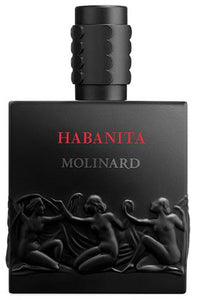
A perfume formula originating in 1921 and still in production and demand. It has of course been adapted to modern tastes and industry rules.
It still features the materials and design that made it famous: a drop of French rose, a pinch of geranium, mixed with oakmoss and wrapped in smooth sandalwood. It’s an elegant sugar free rose perfume with musky, bitter woody background.
style.
Molinard has also developed several versions of this iconic blend: Habanita Edition Exclusive (less rose more amber), Habanita L'Esprit (a fresh floral with mimosa layered over the rose) and Habanita La Cologne (a crisp cologne with most focus on oakmoss and vetiver).
All about this fragrance
Vibe check
Habanita suits the measured intimacy of an afternoon conversation that stretches past dusk. Its unsweetened rose feels composed rather than romantic; bitter moss and smooth woods give that floral presence a firmer edge, like a sharply cut jacket worn without ornament.
How to wear
Mild to cool weather is a natural starting point for its mossy, woody texture. Begin with one or two sprays on skin, allowing the rose and geranium to settle against the sandalwood before adding more. In warmer conditions, keep application light so the bitter background does not dominate at close range.
Who it’s for
For those who prefer rose without sugary softness, and appreciate aromatic geranium, bitter moss and smooth woods. Its appeal lies in vintage structure and a musky, restrained floral character rather than bright fruit or gourmand sweetness.
Release year
1921, EdP 2012
The nose
Henri Bénard composed the original Habanita. A chemist and perfumer within Molinard’s family history, he helped create one of the house’s defining fragrances, linking its Grasse heritage with the changing tastes of the Roaring Twenties. The modern Eau de Parfum reinterpretation has no separately established perfumer credit.
Molinard’s story
Molinard combines inherited Grasse craftsmanship with creative independence, treating tradition as a foundation rather than a constraint. Its approach embraces both natural materials and scientific ingredients, with an emphasis on personal pleasure and fragrance as part of everyday life rather than simply an instrument of seduction.
Habanita’s concept
Habanita began as a product for perfuming women’s cigarettes before becoming a fragrance worn on skin. Its tobacco associations belong to that origin, not necessarily to its ingredients. Molinard connects its story with the emancipation of the Roaring Twenties, when women were challenging conventions of dress and behavior. The 2012 Eau de Parfum renewed this heritage in a modern composition.
Extra info
Habanita’s name means “little Havana,” echoing its cigarette-perfuming origins. The modern bottle retains a decorative frieze attributed to René Lalique. The red centenary edition changed the bottle presentation while retaining the existing fragrance formula.
Featured in edits and sample packs
Geranium Gems
Notesambercentifolia rosegeraniumjasminemasticoakmosspetitgrainrosesandalwoodvetiver
Tags
#clean
Style
unisex
A perfume formula originating in 1921 and still in production and demand. It has of course been adapted to modern tastes and industry rules.
It still features the materials and design that made it famous: a drop of French rose, a pinch of geranium, mixed with oakmoss and wrapped in smooth sandalwood. It’s an elegant sugar free rose perfume with musky, bitter woody background.
style.
Molinard has also developed several versions of this iconic blend: Habanita Edition Exclusive (less rose more amber), Habanita L'Esprit (a fresh floral with mimosa layered over the rose) and Habanita La Cologne (a crisp cologne with most focus on oakmoss and vetiver).
All about this fragrance
Vibe check
Habanita suits the measured intimacy of an afternoon conversation that stretches past dusk. Its unsweetened rose feels composed rather than romantic; bitter moss and smooth woods give that floral presence a firmer edge, like a sharply cut jacket worn without ornament.
How to wear
Mild to cool weather is a natural starting point for its mossy, woody texture. Begin with one or two sprays on skin, allowing the rose and geranium to settle against the sandalwood before adding more. In warmer conditions, keep application light so the bitter background does not dominate at close range.
Who it’s for
For those who prefer rose without sugary softness, and appreciate aromatic geranium, bitter moss and smooth woods. Its appeal lies in vintage structure and a musky, restrained floral character rather than bright fruit or gourmand sweetness.
Release year
1921, EdP 2012
The nose
Henri Bénard composed the original Habanita. A chemist and perfumer within Molinard’s family history, he helped create one of the house’s defining fragrances, linking its Grasse heritage with the changing tastes of the Roaring Twenties. The modern Eau de Parfum reinterpretation has no separately established perfumer credit.
Molinard’s story
Molinard combines inherited Grasse craftsmanship with creative independence, treating tradition as a foundation rather than a constraint. Its approach embraces both natural materials and scientific ingredients, with an emphasis on personal pleasure and fragrance as part of everyday life rather than simply an instrument of seduction.
Habanita’s concept
Habanita began as a product for perfuming women’s cigarettes before becoming a fragrance worn on skin. Its tobacco associations belong to that origin, not necessarily to its ingredients. Molinard connects its story with the emancipation of the Roaring Twenties, when women were challenging conventions of dress and behavior. The 2012 Eau de Parfum renewed this heritage in a modern composition.
Extra info
Habanita’s name means “little Havana,” echoing its cigarette-perfuming origins. The modern bottle retains a decorative frieze attributed to René Lalique. The red centenary edition changed the bottle presentation while retaining the existing fragrance formula.
Featured in edits and sample packs
Geranium Gems